There's No Such Thing as a 'Natural’ Disaster: How We Made Floods the Most Damaging Hazard in the World
The most damaging natural hazard in the world is flooding, costing countries billions of dollars and displacing millions of people every year. With climate change increasing both the frequency and severity of flood events, it becomes essential to consider how we can better manage flood risk to save lives and money, while also preserving nature and avoiding the continuation of colonial approaches to resource management. In this presentation, Charlotte will discuss the fallacy of ‘Natural Disasters’ and the steps that have been taken to turn flooding from an essential process to a devastating threat. The discussion will then turn to the latest approaches to flood risk management and Charlotte’s own research, looking into how flood mapping practice in Canada can be improved and weaving the latest mapping approaches with Indigenous knowledge systems to help reduce flood risk for all.
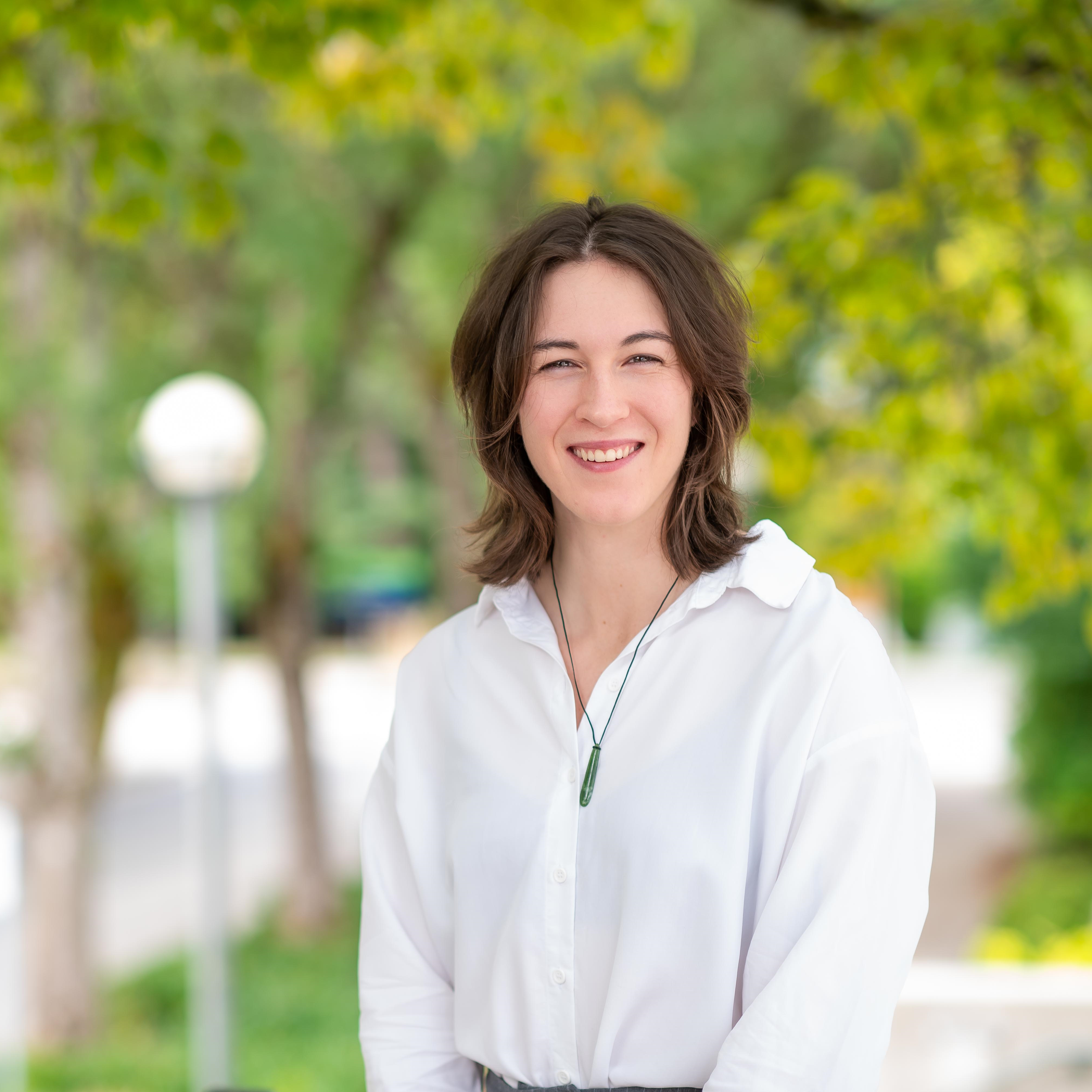 Charlotte Milne is a UBC PhD student in the Institute for Resources, Environment and Sustainability, supervised by Professor Stephanie Chang. A physical geographer and earth scientist by training, Charlotte specialized in fluvial geomorphology (the study of rivers and their behavior), before shifting into the field of disaster science during her three years as a professional researcher. Charlotte now investigates riverine flood risk management and how we can improve flood mapping practice and management, in particular how mapping and modelling methods can be indigenized to help reduce the risk of Canada’s First Nations communities, who are disproportionately exposed to flooding.
December 4, 2023
8:00 pm to 9:00 pm
Coach House
6201 Cecil Green Park Rd