Reconstruction and Erasure in Colonial Archaeology
Few disciplines work with datasets as diverse, unruly and poorly-published as archaeology. Simultaneously, few disciplines are as intimately entwined with the administration of colonial oppression and trauma—both historical and contemporary—as archaeology. This study aims at the intersection of these two realities and asks: how are colonial bias and harm related to the problems of how archaeologists traditionally organize and publish their data? Joseph will investigate this question through a case study on the archaeological research of Byrsa Hill, a site in the ancient city of Carthage and in the modern-day capital of Tunisia. By integrating 160 years of previously published site reports into a single restructured, internally consistent and openly-published dataset, Joseph will uncover (and partially resolve) many inconsistencies, errors and gaps in our understanding of the site. His restructured dataset enables new interpretations of the site's development and design, some of which sharply contrast with interpretations from previous studies that relied on earlier datasets. This lack of prior critical engagement, he will argue, is tied to how research on the site has been limited by divisions of labour and publication norms that remain common in archaeological research today.
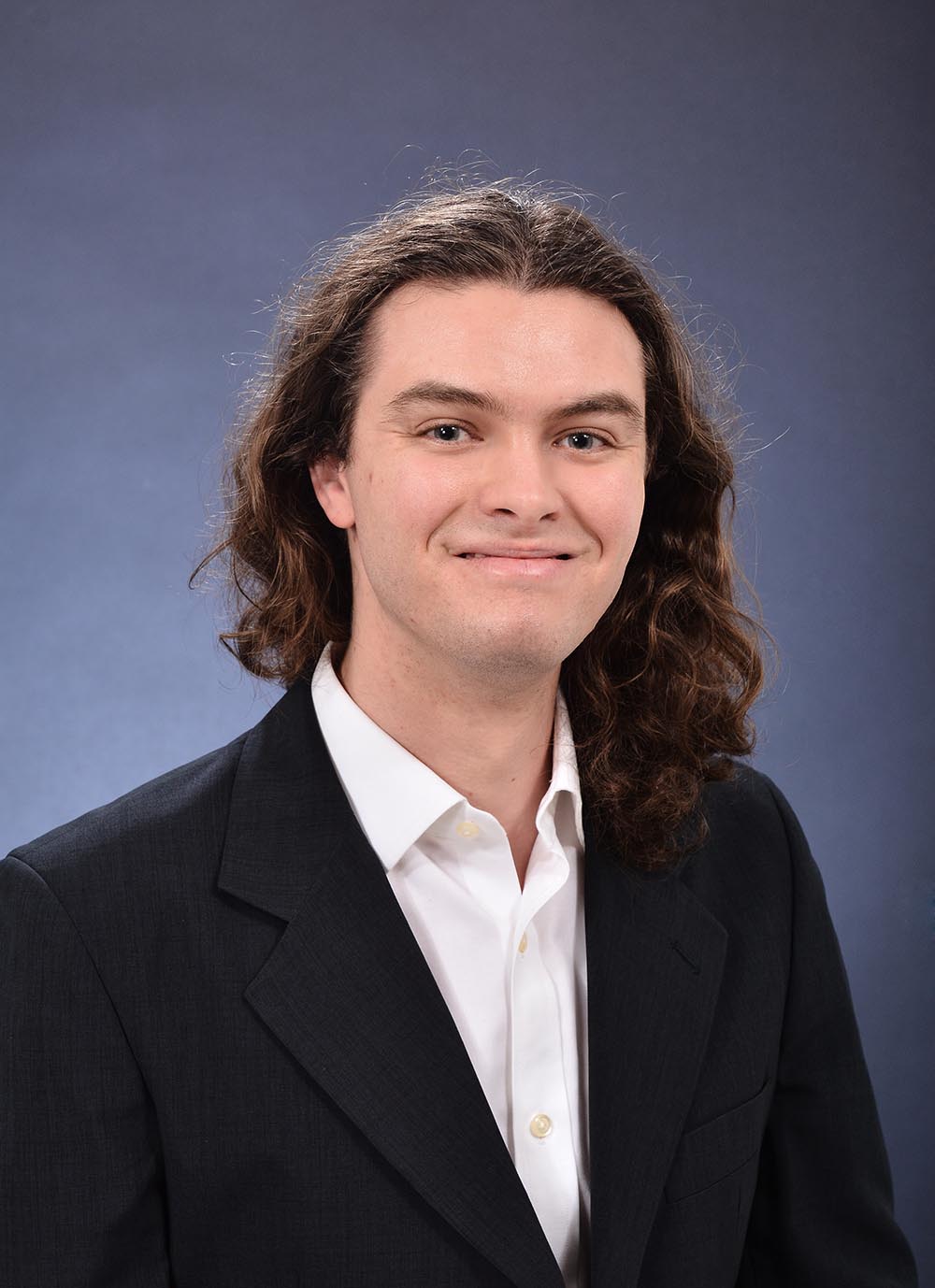 Joseph Burkhart is a multidisciplinary scientist with a passion for developing better tools and methods for creating, managing, and visualizing complex data. As a researcher at NASA Ames Research Center, Indiana University, and most recently UBC, Joseph has conducted a diverse array of projects in the space biosciences, electrodynamics, isotope geochemistry, ancient artisanal nanoscience, and digital archaeology. Joseph recently completed his M.A. in archaeology at UBC, and is currently looking for work in the Vancouver area.
February 21, 2022
8:00 pm to 9:00 pm
Coach House
6201 Cecil Green Park Rd